


Quiet Luxury at Home: Artful Curation That Whispers Elegance
Step into a calm, refined approach to living where curating art and objects for a subtle, high-end home style brings depth without noise, character without clutter. We will explore how nuanced selections, intentional placement, and sensitive lighting build layered harmony, creating rooms that feel discovered rather than decorated. Expect practical guidance, gentle stories from real interiors, and prompts to refine your eye, so each piece speaks softly yet meaningfully. Share a favorite artwork you live with and tell us how it transformed your everyday rituals.
Seeing the Whole Room Like a Gallery
Begin by considering your home as a series of thoughtful sightlines rather than isolated corners. Curating works best when the relationship between pieces, negative space, and movement guides your choices. Think of pacing, how the eye rests, and how light shifts during the day. Rather than filling every surface, let breathing room become your signature luxury. A restrained arrangement reveals confidence, and the absence of excess creates a canvas where each object, color, and texture can resonate with quiet authority and lasting pleasure.

Choosing Art with Quiet Confidence
Select pieces that reveal craft, intention, and enduring feeling rather than loud branding. Subtle, high-end style often favors nuanced palettes, considered textures, and thoughtful scale. Learn to read quality: brushwork, paper weight, glaze depth, or metal patina. Trust your response to silence as much as to spectacle. A work that continues to unfold after months—not minutes—belongs in a refined collection. When acquisitions follow discernment instead of impulse, your rooms gain a calm identity that strengthens with time and memory.
Objects that Hold Memory
Invite objects into your home that carry stories—hand-thrown vessels, studio glass, vintage trays, or sculptural wood forms. Their imperfections cultivate intimacy and, over time, become markers of daily rituals. A bowl catching morning keys, a bronze paperweight guarding letters, a small stone reminding you of a distant shore—these quiet companions add meaning beyond decoration. Resist crowding. Give each object purpose and a moment in the light. A refined space emerges when personal history and visual poetry meet with restraint and intention.
Prioritize singular pieces with subtle signatures of the maker: an irregular rim, nuanced grain, or hand-finished edge. Originals cultivate a feeling of intimacy that mass-market duplicates cannot. You will notice new details as days pass, forming a relationship that evolves gently. This intimacy transforms rooms into living collections, not catalogs. Start small if needed, adding only when something truly resonates. Over years, a handful of meaningful objects will outweigh shelves of forgettable things and anchor your home with lasting character.
Document where and how each object entered your life. Perhaps you met the artist at a studio open day, or found the piece in a tucked-away shop during travel. Share these stories with guests; they become bridges to connection and curiosity. Provenance does not require prestige to be powerful—sincerity and memory matter most. Keep notes, receipts, and photographs together. With time, your collection becomes a chronicle of encounters, reinforcing the layered, human dimension of quiet luxury in everyday living.
Editing is not erasing character; it is clarifying intention. Remove pieces that no longer align with your evolving sensibility, and rotate valued items to let each be seen. Donate thoughtfully, gift to friends, or resell to collectors who will appreciate them. Consider the emotional weight of objects, honoring attachments while freeing space for calm. Empathetic editing respects memory and welcomes growth, ensuring your rooms remain serene, meaningful, and attentively curated rather than congested with yesterday’s stories.


Placement, Heights, and Harmonious Layers
Placement is choreography. Height, spacing, and alignment determine whether a piece whispers or shouts. Aim for consistency at eye level, but adapt to architecture, furniture height, and the artwork’s visual weight. Layering can be graceful when it preserves clarity: lean a framed drawing on a console behind a ceramic vessel, or flank a minimal canvas with slender sconces. Use trays and plinths to lift small objects into view. Thoughtful layering creates depth while maintaining the calm rhythm of quiet luxury.
Materials, Finishes, and Light
Observe how the sun travels through your rooms, revealing tone and texture as hours unfold. Place delicate works out of direct light, and let robust materials bask where shadows play. Sheer window treatments can diffuse brightness, preserving softness. Dawn’s cool cast may favor graphite drawings; late afternoon’s warmth can enliven earthenware. By listening to daylight, you allow pieces to perform at their best, shifting gracefully with time and bringing quiet dynamism to your home.
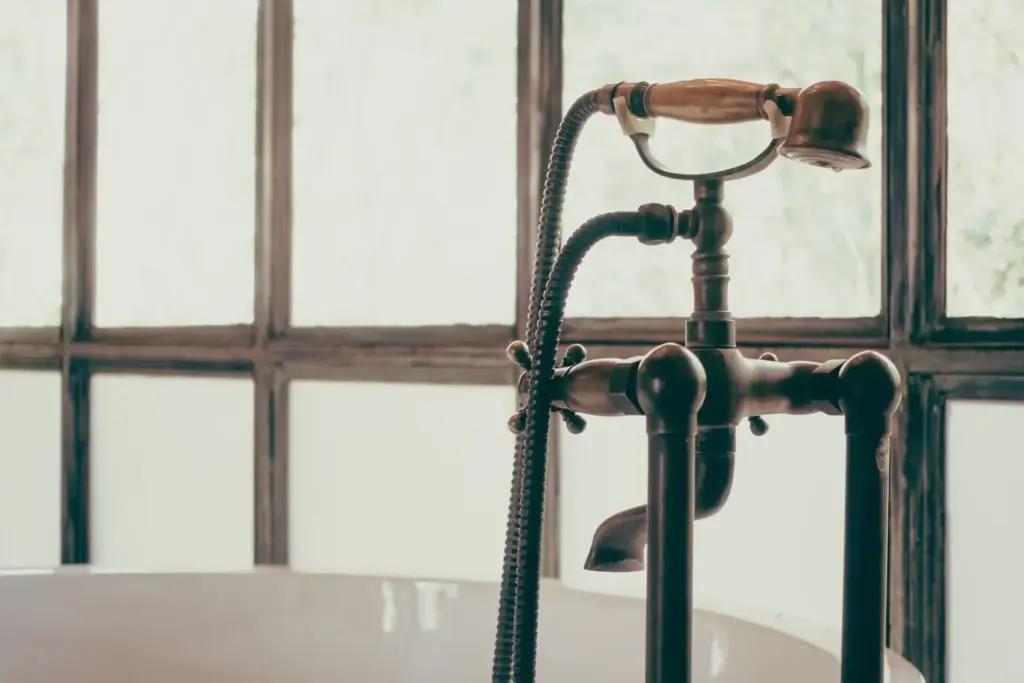
Combine brass, bronze, or unlacquered copper with marble, soapstone, or honed granite for a dialogue of temperature and tone. A single bronze vessel on a pale stone ledge exudes balance and restraint. Let patina evolve naturally, avoiding harsh polishes that erase character. The interplay of warm and cool materials heightens subtle contrasts, amplifies texture, and grants objects their own stage. This pairing signals sophistication without shouting, integrating art and architecture into one cohesive, timeless conversation.
Choose frames that respect the artwork’s intent while clarifying its edges. Thin profiles in oak, walnut, or painted wood can assert quiet authority. Consider spacers for works on paper and UV-filtering glazing to protect delicate pigments. Avoid overly reflective glass in bright rooms. A frame should enhance structure, not draw attention from essence. When framing aligns with content and light conditions, even modest works radiate importance, becoming anchors within a serene, high-end environment.
Caring for Collections
Stewardship sustains beauty. Manage light exposure, humidity, and dust so your investments and heirlooms age gracefully. Rotate placements to prevent fading and visual fatigue, and keep simple records for provenance and valuation. Gentle cleaning with appropriate tools preserves finishes, while professional conservation addresses complex needs. Care is not extravagant; it is respectful. By tending to details behind the scenes, you protect the quiet power of your home’s artful moments for years of daily enjoyment and discovery.

Climate and Conservation Basics
Aim for stable humidity and temperature, avoiding extremes that warp wood, crack glaze, or loosen canvas tension. Use felt pads under objects and museum putty on shelves to prevent slips. Dust with soft, lint-free cloths, never abrasive materials. For delicate works on paper, consider archival mats and storage away from heat sources. Consult professionals for restoration or mounting. These small, consistent habits build a confident, long-lasting foundation for collections that grow more compelling with every passing season.
Rotation and Seasonal Breathing
Allow artworks to rest by rotating displays. A seasonal shift revitalizes your eye and protects sensitive pieces from constant light. Store alternates carefully, with notes and images to recall preferred arrangements. Rotation invites reflection: which pieces still resonate, and which need a new context? This rhythm nourishes appreciation, prevents complacency, and keeps the home feeling fresh without new purchases. Over time, your collection gains elasticity, adapting gracefully to mood, weather, and evolving personal sensibilities.
Documentation and Insurance without Fuss
Create a simple record: artist, title, medium, dimensions, purchase details, and photographs. Store digital copies in cloud and local backups. For higher-value works, seek appraisals and consider appropriate insurance coverage. Label storage with care to prevent accidental damage. Good documentation allows you to share provenance, plan installations, and respond calmly if issues arise. The process need not be cumbersome; a tidy, consistent routine strengthens confidence and supports the quiet sophistication you cultivate daily.
Inviting Dialogue and Evolving Taste
Refinement grows in conversation. Host small gatherings where guests linger with a work, noticing brushwork or the curve of a vessel. Encourage questions, trade recommendations for galleries or makers, and invite differing perspectives. Keep a sketchbook or notes app for observations and future hunts. Share insights in the comments, subscribe for new stories, and tell us which placements you tried at home. Together, we nurture discerning eyes, sustaining subtle luxury through curiosity, empathy, and continued exploration.